ServicesTrailer Interchange Insurance
Trailer Interchange Insurance in Fairburn
When you sign an interchange agreement, the trailer becomes your responsibility the moment you hook up. We read the agreement with you, set limits that match what it asks for, and get the certificate of insurance where it needs to go.
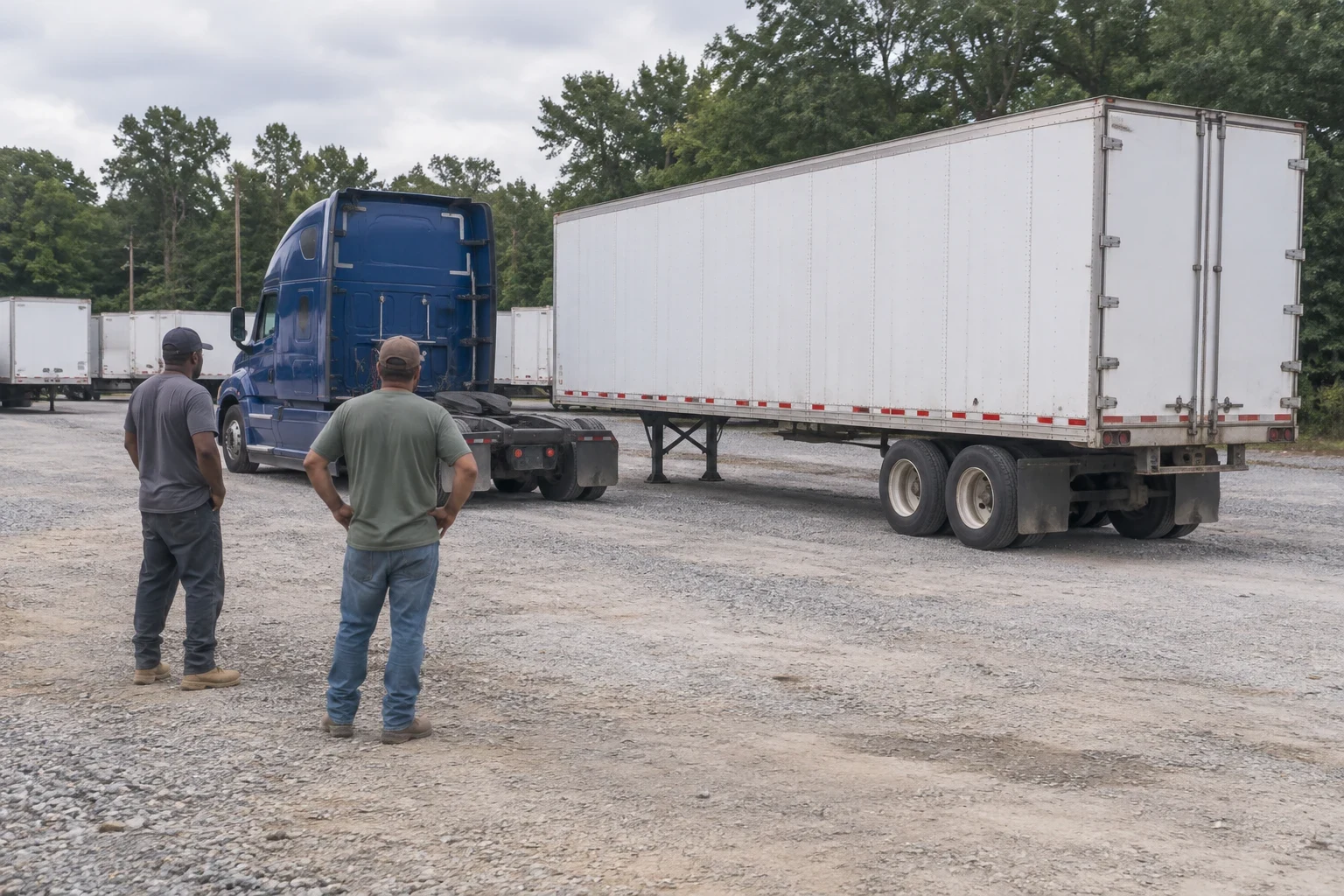
What trailer interchange coverage does
Trailer interchange insurance pays for physical damage to a trailer you do not own while it is in your care under a written interchange agreement. Think collision, fire, theft, or a rollover. Your primary auto liability covers damage you do to other people. It does not cover the trailer behind you.
This coverage is the right call when a contract shifts the trailer risk onto you. That is common in intermodal and drayage work, where steamship lines, railroads and leasing companies hand off containers and chassis, and in trailer swaps between carriers. Many of those deals use a standard agreement, such as the UIIA for intermodal equipment, that spells out the minimum coverage you must carry.
If you pull other people's trailers without a written agreement, a different coverage usually fits better: non-owned trailer physical damage. Part of our job is telling you which one your operation needs, so you are not paying for the wrong thing.
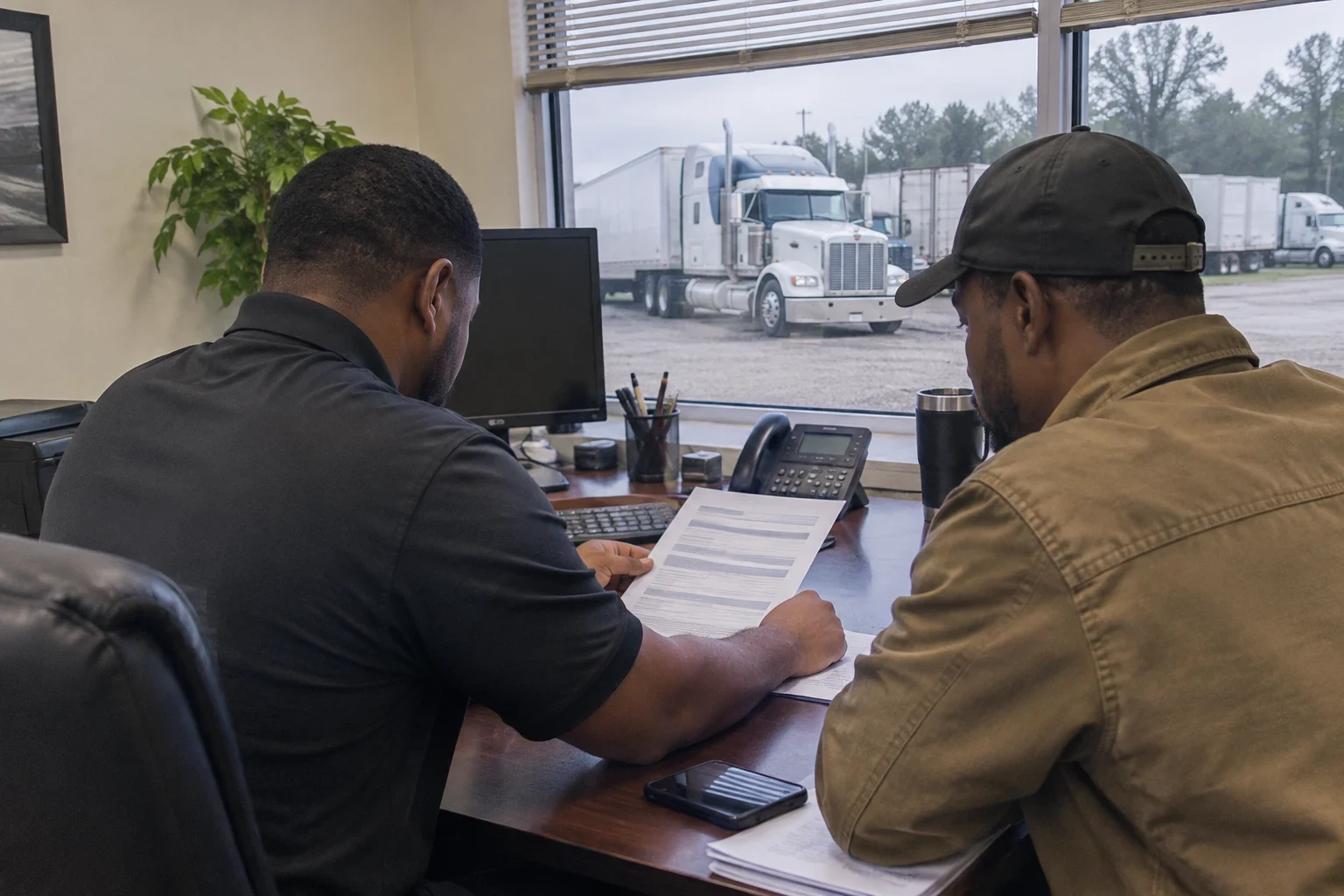
What we handle when we set up your coverage
- 01
A plain reading of your agreement
Interchange agreements are dense. We go through the insurance section with you and point out the required limit, the deductible cap if there is one, and who must be named on the certificate.
- 02
Limits that match the equipment
A dry van, a reefer unit and a loaded container chassis carry very different values. We size the limit to the most expensive trailer you are likely to pull, not a guess.
- 03
Certificates of insurance
Equipment providers will not release a trailer until they see proof. We issue the certificate with the right wording and send it to the parties you name.
- 04
Fitting it with your other policies
Trailer interchange is usually added to a commercial trucking insurance package alongside physical damage insurance and motor truck cargo insurance. We check that the pieces line up and nothing overlaps or leaves a gap.
- 05
Help when a claim comes in
We explain what the carrier will ask for, what photos and paperwork help, and how the deductible works. We are not the adjuster, but we keep you informed through the process.
Questions about Trailer Interchange Insurance?
Call(770) 766-5839Signs you need trailer interchange insurance
A contract asks for it by name
If a broker, shipper or equipment provider sends paperwork listing trailer interchange limits, they will check for it before you get a load.
You are starting drayage or intermodal work
Container and chassis pickups almost always run under an interchange agreement. Without the coverage on file, the gate will not release the equipment.
You swap trailers with another carrier
Trading trailers to finish a run is efficient, but the signed swap makes you liable for the trailer you take.
Your certificate was rejected
A rejection often means the limit is too low, the wrong coverage type is listed, or a party is missing. We can find the cause and fix it.
You have been relying on liability alone
Many drivers assume their liability policy protects the trailer. It does not, and a single damaged reefer can cost more than a season of premium.
How getting covered works
- 1
A conversation about your work
By phone, by video or at our office, we ask what you haul, who supplies the trailers, and how often you hook up to equipment you don't own. Have your DOT number and MC authority handy.
- 2
Review the agreement
Send or bring the interchange agreement. We pull out the exact insurance requirements so your quote is built on them.
- 3
Compare quotes and explain the trade-offs
We show you the options side by side, including how a higher deductible changes the premium and what that means if a trailer is damaged.
- 4
Bind and send proof
Once you choose, we bind the policy, handle any filings tied to your package, and issue certificates to each equipment provider you list.
What moves the price
Trailer interchange premiums depend on how much trailer value you are responsible for and how likely a loss is. We walk through each factor with you before you commit, so the number makes sense. Two drivers with the same truck can see very different quotes.
- Limit you carry
- The limit should cover the most valuable trailer you will pull. Reefers and specialized equipment push it higher than a standard dry van.
- Deductible
- A higher deductible lowers the premium, but some agreements cap how high it can go. We check that before suggesting one.
- Driving and loss history
- Clean MVRs and few past claims help. Recent trailer damage claims raise the cost.
- Type of work and radius
- Short-haul drayage, regional runs and long-haul work carry different risks, and frequent hookups in busy yards factor in.
- How it is packaged
- Adding interchange to an existing commercial policy is often more efficient than buying it alone.
Trailer interchange questions we hear
What is the difference between trailer interchange and non-owned trailer coverage?
Trailer interchange applies when there is a written interchange agreement that makes you responsible for the trailer. Non-owned trailer physical damage covers trailers you pull without that kind of agreement. Some carriers need one, some need both. We look at how you actually operate and tell you which applies.
Does trailer interchange cover the cargo inside?
No. It covers the trailer itself. The freight is covered by motor truck cargo insurance, which is a separate policy. Most drayage and over-the-road operations carry both.
What limit does the UIIA require?
The intermodal agreement and individual equipment providers set minimums, and they can change. Rather than quote a number from memory, we check the current requirement for the providers you work with and match it.
I'm leased onto a carrier. Do I need my own policy?
It depends on your lease. Some motor carriers cover trailer interchange for their leased owner-operators, and some require you to carry it. Bring your lease agreement and we will read the insurance section with you.
Can I add this to the policy I already have?
Often, yes. If your current coverage is through us, we can usually add it as an endorsement. If it's elsewhere, we can quote it alongside your other coverage and show you what changes.
Ready to hook up with the right coverage
Tell us what you pull and who supplies it. We serve carriers in Fairburn, Union City, Palmetto and across the south metro, and we'll explain every requirement in your agreement in plain words.