ServicesCommercial Trucking Insurance
Commercial Trucking Insurance in Fairburn, GA
We put together the coverage your trucks need to run legally and get paid: liability, cargo, physical damage and the filings that keep your MC authority active. We explain each piece in plain words, so you know what you are buying and why a broker or regulator asks for it.
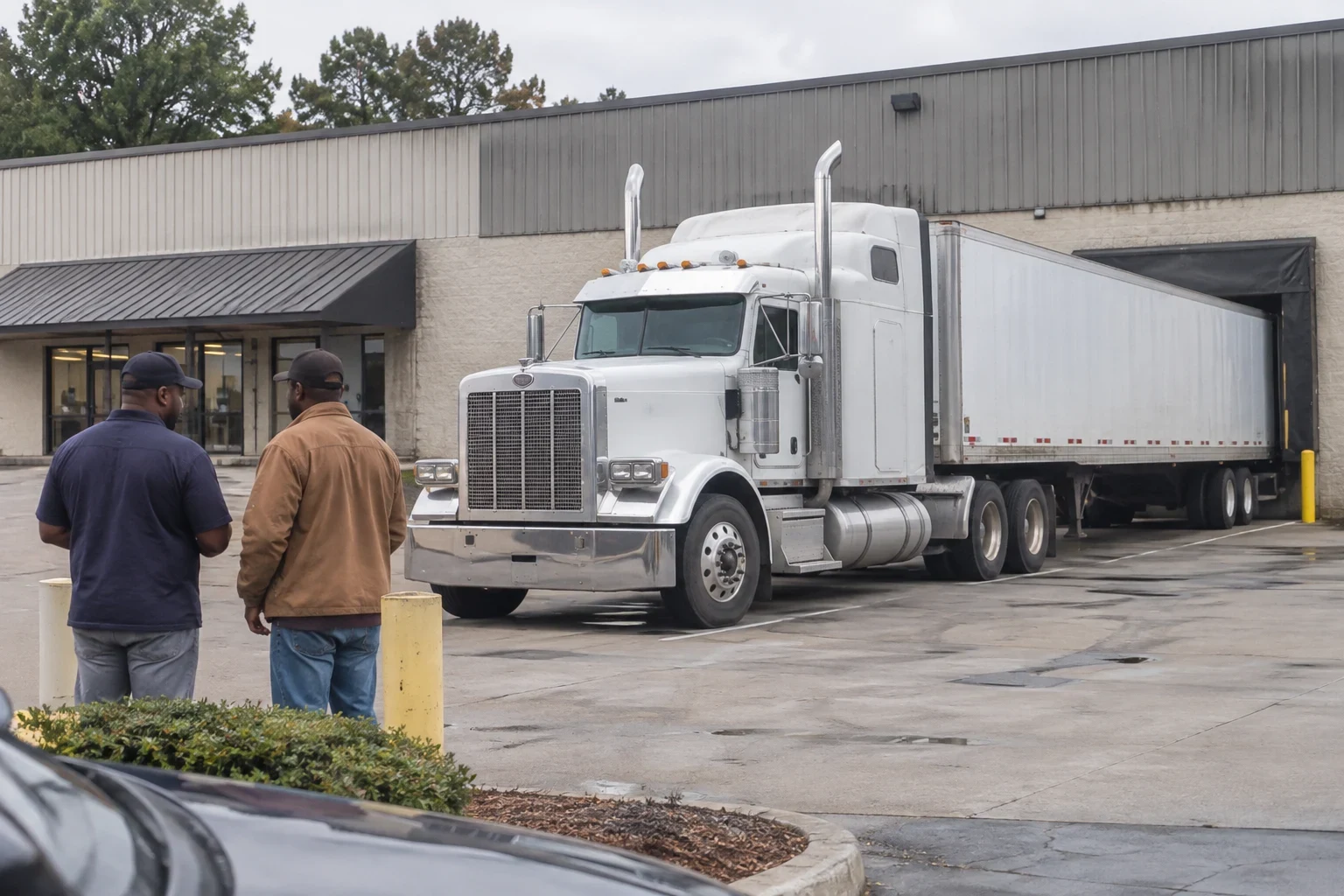
What commercial trucking insurance actually covers
Commercial trucking insurance is not one policy. It is a set of coverages built around how your operation runs: who you haul for, what you haul, how far you go and who owns the equipment. Some pieces are required by law. Others are required by the brokers and shippers who hand you loads. A few are simply smart protection for a truck you still owe money on.
Our job is to sort those out with you. We start with what the rules demand for your DOT number and type of authority, then add what your contracts and your lender ask for. You leave the conversation knowing which coverage is mandatory, which is optional and what each one does when something goes wrong on the road.
Owner-operators, new carriers and small fleets all come to us with the same worry: paying for coverage they do not need while missing the one a broker checks first. We would rather walk you through it slowly than have a load fall through over a certificate.
The pieces we put together for you
- Primary auto liability
- This pays for injuries and damage you cause to others while operating. It is the coverage federal rules require for for-hire carriers, and the one every broker checks. Our Primary Auto Liability Insurance page goes deeper.
- Motor truck cargo
- Cargo coverage protects the freight you are hauling against loss or damage. We check the limits your broker contracts call for and look closely at commodity exclusions, since that is where claims most often get denied.
- Physical damage
- Collision and comprehensive coverage for your own tractor, truck or trailer. If you financed the equipment, your lender will usually require it and want to be named on the policy.
- Bobtail and trailer interchange
- Leased owner-operators often need non-trucking liability for personal use of the truck. Carriers who pull other companies' trailers under an interchange agreement need trailer interchange coverage. We sort out which one applies to you.
- Federal filings and endorsements
- We handle the BMC-91X liability filing with FMCSA and make sure the MCS-90 endorsement is on your policy. Without that filing on record, your authority cannot go active or stay active.
- Certificates of insurance
- Brokers and shippers want a certificate of insurance before they release a load. We issue them and add certificate holders as you pick up new customers.
Signs it is time to review your trucking coverage
You just applied for MC authority
FMCSA will not activate new authority until your liability filing is on record. If your application is in, the insurance step is next.
A broker rejected your certificate
Many brokers want higher cargo or liability limits than the legal minimum, or a specific certificate holder wording. A rejected certificate usually means a coverage gap, not just paperwork.
You are leaving a lease to run under your own authority
Once you stop running under a carrier's authority, their liability no longer covers you. You will need your own primary liability, cargo and filings in place before the first load.
You added a truck, driver or new type of freight
Insurers price on the exact units, drivers and commodities listed. Running something that is not on the policy can leave a claim unpaid.
Your renewal came back much higher
A jump at renewal often comes from a new violation, a claim or a change in radius. We look at the reasons and what can be adjusted.
How getting covered works with us
- 1
A conversation about your operation
We talk by phone, by video or at our office. We ask what you haul, where you run, who owns the equipment and what your brokers or shippers require.
- 2
Gathering the details
Have your DOT number, MC number if you have one, VINs, driver license information and any prior loss runs ready. Insurers price from these, so accurate details keep the quote from changing later.
- 3
Comparing options and explaining them
We go over the coverage options side by side: limits, deductibles and exclusions. We point out anything that would not satisfy your authority or your contracts before you sign.
- 4
Binding, filing and certificates
Once you choose, we bind coverage, put the federal filing on record with FMCSA for you and get certificates to the brokers and lenders who need them. When you add a truck or pick up a new customer, give us a call and we update the policy.
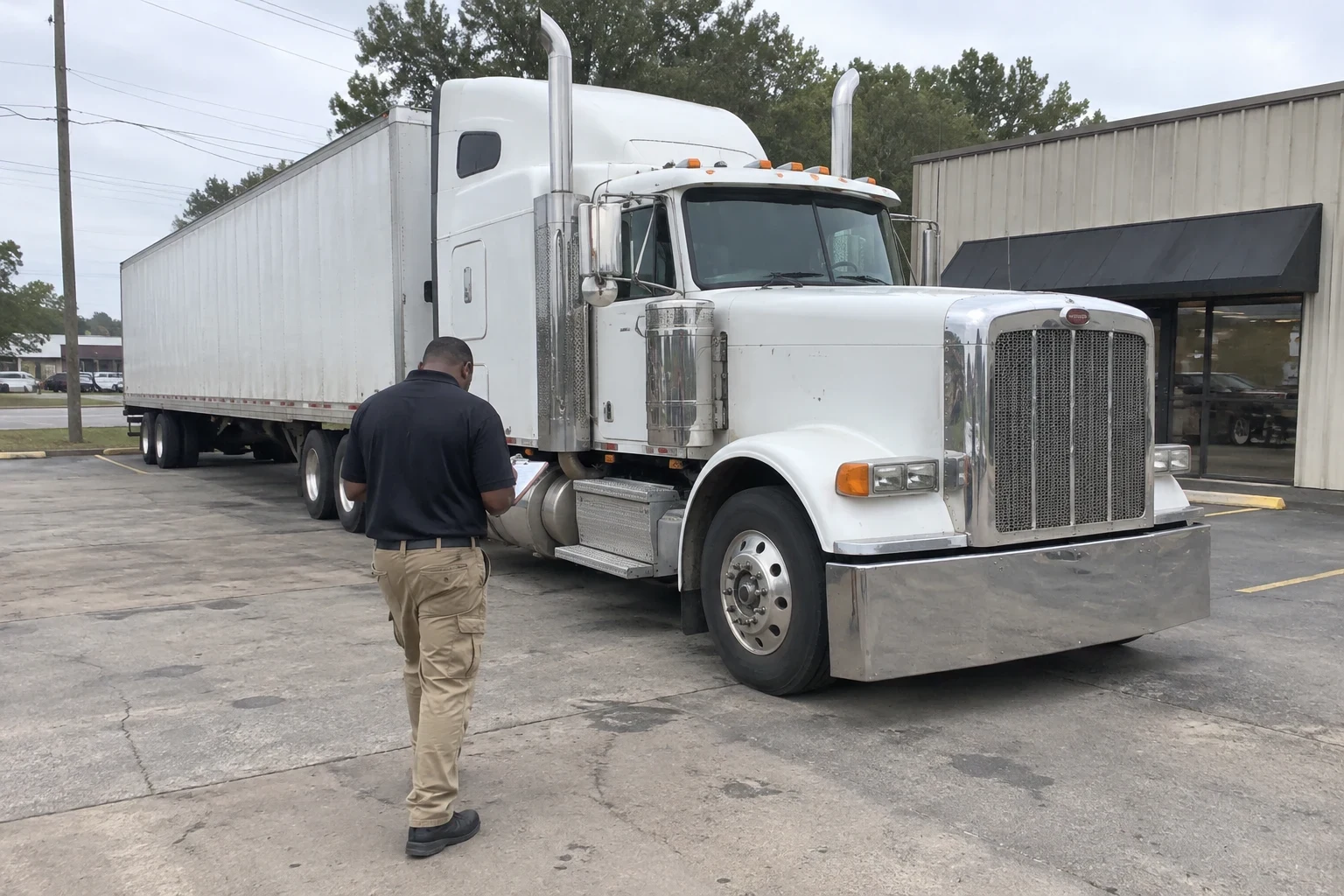
What moves your premium
Every trucking premium is built from the risk an insurer sees in your specific operation. Two carriers with the same truck can pay very different amounts. We will show you which factors are driving your number and which ones you can actually change.
- Driver records and experience
- Years of commercial driving experience and clean motor vehicle records carry a lot of weight. Recent violations or accidents raise the premium for every unit a driver is listed on.
- Time in business
- New authorities usually pay more than carriers with a few years of clean history. Our New Authority Truck Insurance page covers what to expect in year one.
- Radius and freight
- Long-haul routes, heavy congested corridors and higher-risk commodities cost more to insure than local runs with general freight.
- Equipment value and limits
- Newer, more valuable trucks raise physical damage costs. Higher liability or cargo limits, often required by brokers, raise premium too, while higher deductibles can lower it.
- Loss and inspection history
- Past claims and roadside inspection results follow your DOT number. A clean safety record helps at every renewal.
Common questions about commercial trucking insurance
Something not covered here? (770) 766-5839
What coverage is legally required to haul for hire?
For-hire interstate carriers must carry primary auto liability at the federal minimum for their freight type, with the filing on record at FMCSA. Cargo and physical damage are not federal requirements for most carriers, but brokers and lenders usually demand them. We tell you which is which for your setup.
What is the difference between interstate and intrastate coverage?
If you cross state lines, or haul freight that is part of an interstate move, federal FMCSA rules and filings apply. If you only run inside Georgia, state rules apply instead. We confirm which category your operation falls into before quoting.
Can I add a truck or driver in the middle of my policy?
Yes. Tell us before the new truck or driver runs, so it is listed on the policy. Adding a unit changes your premium, and we will explain the change before it takes effect.
Why does my broker want limits higher than the law requires?
The federal minimum protects the public, not the broker's customers. Many broker contracts ask for higher liability and cargo limits to cover freight value and their own risk. We read those requirements with you so your certificate gets accepted.
Do I need to come to the office?
No. Most carriers work with us by phone or video, and we send documents for signature electronically. You are welcome at our office in Fairburn if you prefer sitting down in person.
Get your trucks covered and your filings in order
Tell us how your operation runs and what your brokers expect. We will lay out the coverage that fits and get your quote by phone.