ServicesBox Truck Insurance
Box Truck Insurance in Fairburn
We insure straight trucks for last-mile, freight and moving work. That means liability, cargo and physical damage coverage, plus the filings that keep your DOT number and MC authority active. We explain what you are required to carry and what is only optional, so you can decide with clear numbers.
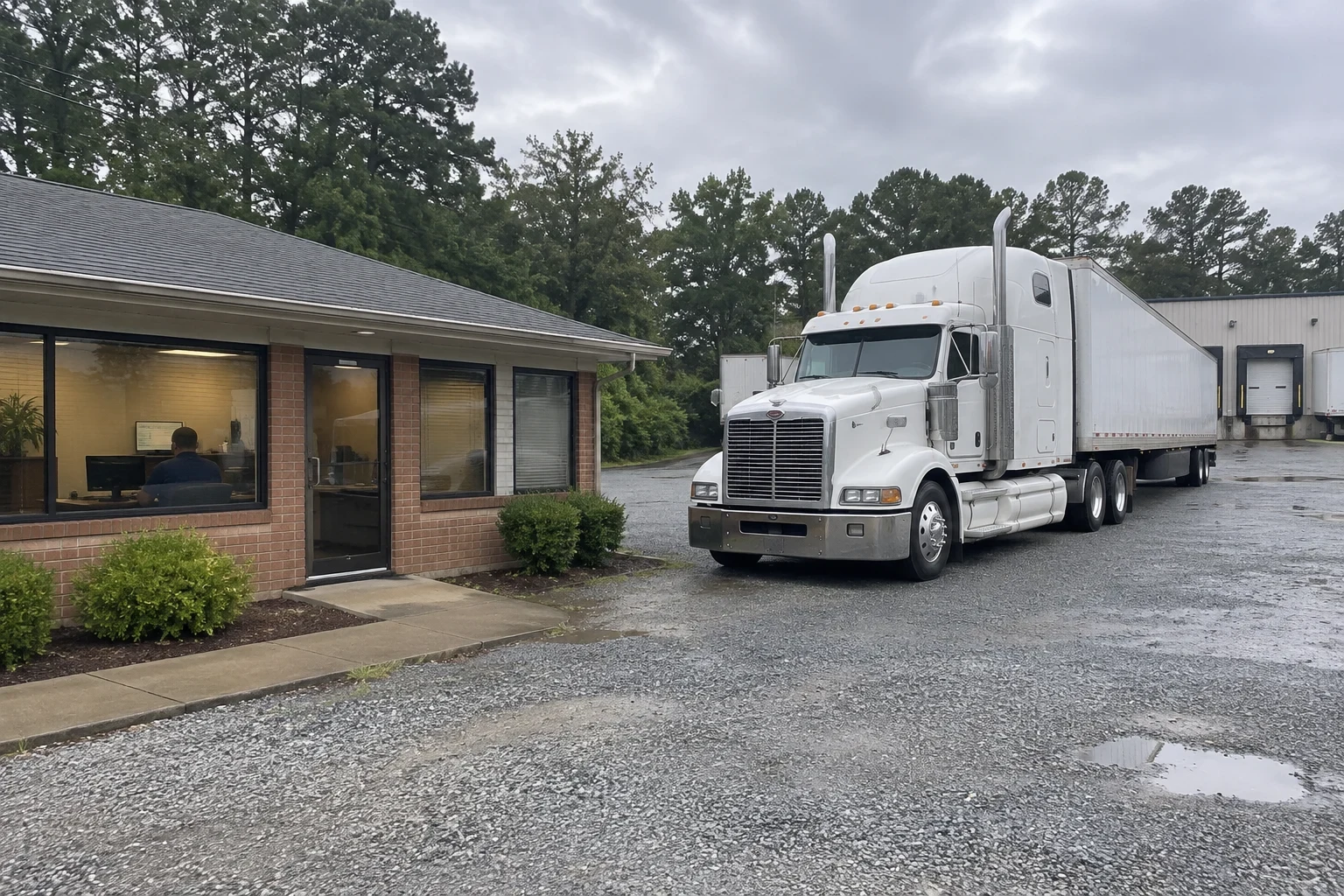
What box truck insurance covers
A box truck policy is usually a few coverages working together. Primary auto liability pays for injuries and damage you cause to others. Motor truck cargo covers the freight in the box. Physical damage covers the truck itself if it is wrecked, stolen or damaged. Many operators also add coverage for a liftgate or a refrigeration unit.
The rules depend on how you run. If you haul for hire across state lines in a truck over 10,000 pounds, federal rules require a USDOT number and MC authority, and your insurer has to file proof of liability with the FMCSA. If you stay inside Georgia, state intrastate rules apply instead. A lot of box truck operators find out about these requirements only when a load board or a contract asks for paperwork. We sort out which rules fit your operation before we quote.
Many box trucks around Fairburn run warehouse and last-mile routes, and those contracts often call for higher limits than the legal minimum. We line your coverage up with both.
What we set up for you
Primary auto liability
This is the coverage the law and your shippers check first. We match the limit to the federal or Georgia requirement and to any contract minimums.
Motor truck cargo
Cargo coverage is written for the freight you actually haul. Electronics, furniture, moving loads and refrigerated food each carry different exclusions, so we read those with you.
Physical damage on the truck
Collision and comprehensive coverage on a stated value. If the truck is financed, we make sure the lender is listed the way the loan paperwork requires.
Filings and certificates
We arrange the insurer's FMCSA liability filing when your authority needs it. When a broker, warehouse or shipper asks for a certificate of insurance, we issue it with the right names on it.
Add-ons that fit straight trucks
Liftgate damage, reefer breakdown, hired and non-owned auto, and general liability for jobs at a customer's dock. We only bring them up when your work calls for them.
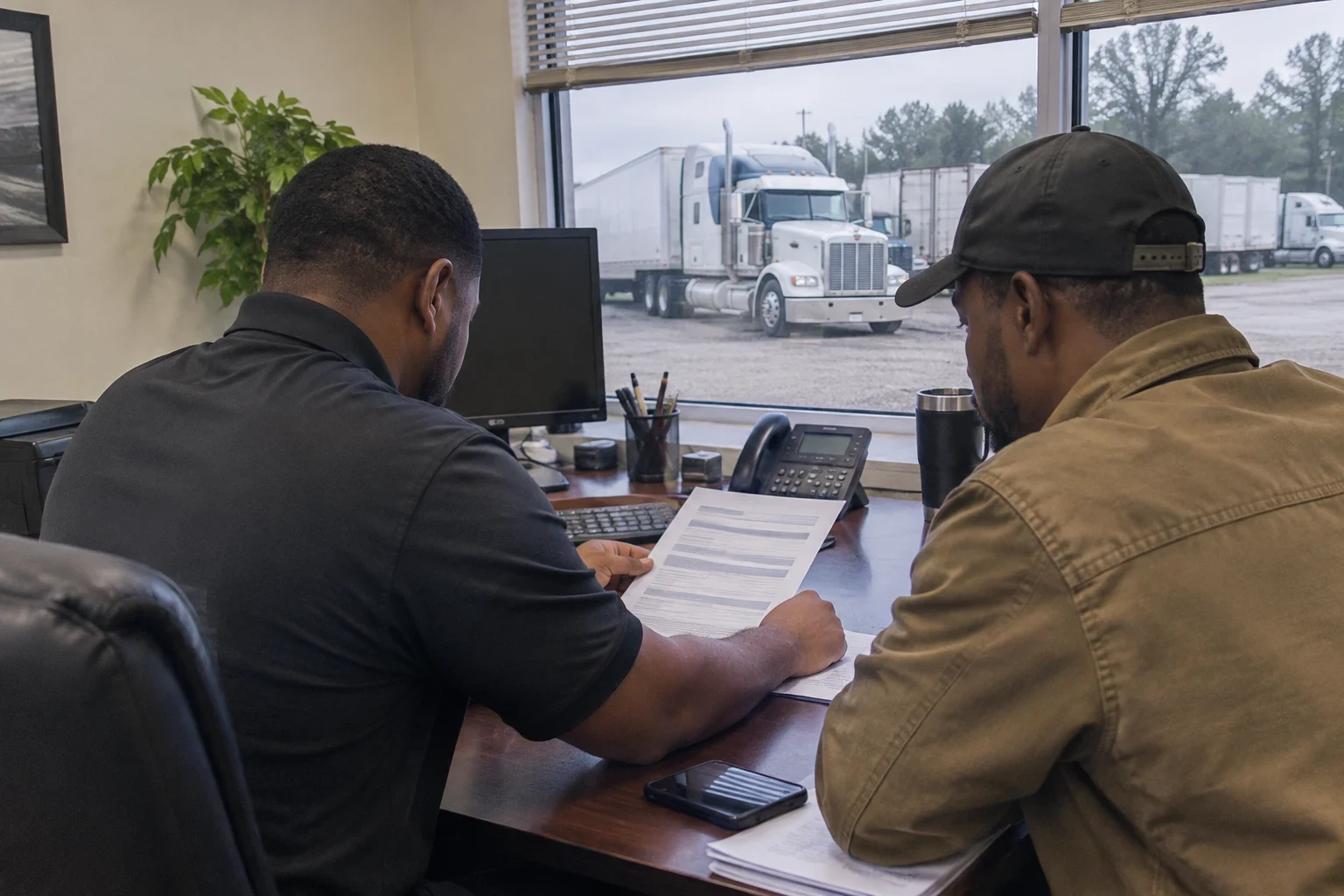
Signs it is time to review your box truck coverage
- You are getting your own authority
- Running under someone else's authority and then getting your own MC number changes what you need. Your filing has to be in place before the authority goes active.
- A contract asked for higher limits
- Last-mile programs and freight brokers often require more liability or cargo coverage than you carry now. Falling short can cost you the lane.
- You are using a personal or business auto policy
- Standard auto policies usually exclude hauling freight for hire. If that policy is all your truck carries, a claim may be denied.
- Your freight or routes changed
- Switching to refrigerated loads or starting to cross into Alabama or Tennessee can trigger new rules and new exclusions.
- You added a truck or a driver
- Each new unit and each new driver has to be listed. A missing VIN or an unlisted driver is a common reason claims stall.
How getting covered works
- 1
A conversation about your operation
We talk by phone, by video or at our office. We ask what you haul, where you run, your DOT and MC status, and who drives.
- 2
We gather the details insurers need
Truck VINs and values, driver license info and any prior coverage history. If you are new, that is fine, and we will tell you what helps.
- 3
We compare and explain your options
You see what each quote covers, what it leaves out and how the premium breaks down. We point out anything that would not satisfy your filing or contract requirements.
- 4
We bind the policy and handle the paperwork
Once you choose, we arrange the coverage, the FMCSA or Georgia filing if needed, and the certificates your customers request.
What affects your box truck premium
Box truck premiums vary a lot between operators, even in the same truck. We go over each factor so the quote makes sense to you. We can't promise a number, but we can show you what is driving yours.
- Driver history and experience
- Years behind the wheel of a commercial truck, violations and accidents carry the most weight. New drivers usually pay more for the first few years.
- What you haul and how far
- High-value or temperature-sensitive cargo costs more to cover. Interstate runs are rated differently than local routes.
- Limits you need
- Higher liability and cargo limits demanded by contracts raise the premium. We help you avoid buying more than your work actually requires.
- Truck value and equipment
- A newer truck with a liftgate and a reefer unit costs more to insure for physical damage than an older dry van box.
- Time in business
- A new authority is priced with less history behind it. Clean, continuous coverage helps at renewal.
Box truck insurance questions
- Do I need my own MC authority to run a box truck?
- If you haul other people's freight for pay across state lines, generally yes, along with a USDOT number. If you only haul within Georgia, state intrastate rules apply instead. We walk through your situation and tell you which applies before we quote.
- Is a CDL required, and does it change my insurance?
- Most box trucks are under 26,001 pounds GVWR, so a CDL is usually not required to drive them. Insurers still look closely at commercial driving experience. Some prefer or require it for certain loads, and we tell you up front when that comes up.
- Can I put my box truck on a regular business auto policy?
- For delivering your own company's goods, sometimes. For hauling freight for hire, a business auto policy usually won't satisfy filing rules or shipper requirements, and it may exclude the work entirely. That is the gap a trucking policy is built to close.
- How do I get a certificate of insurance for a broker or warehouse?
- Once your policy is active, tell us who needs it and how they want to be listed. We issue the certificate and send it where it needs to go. If a contract asks for the customer to be named on your policy, we confirm that with the insurer first.
- What if I am running under a lease with a larger carrier?
- The carrier usually provides primary liability while you are under dispatch. You may still need coverage for the truck itself and for driving off dispatch. Our pages on non-trucking liability and physical damage insurance explain those pieces.
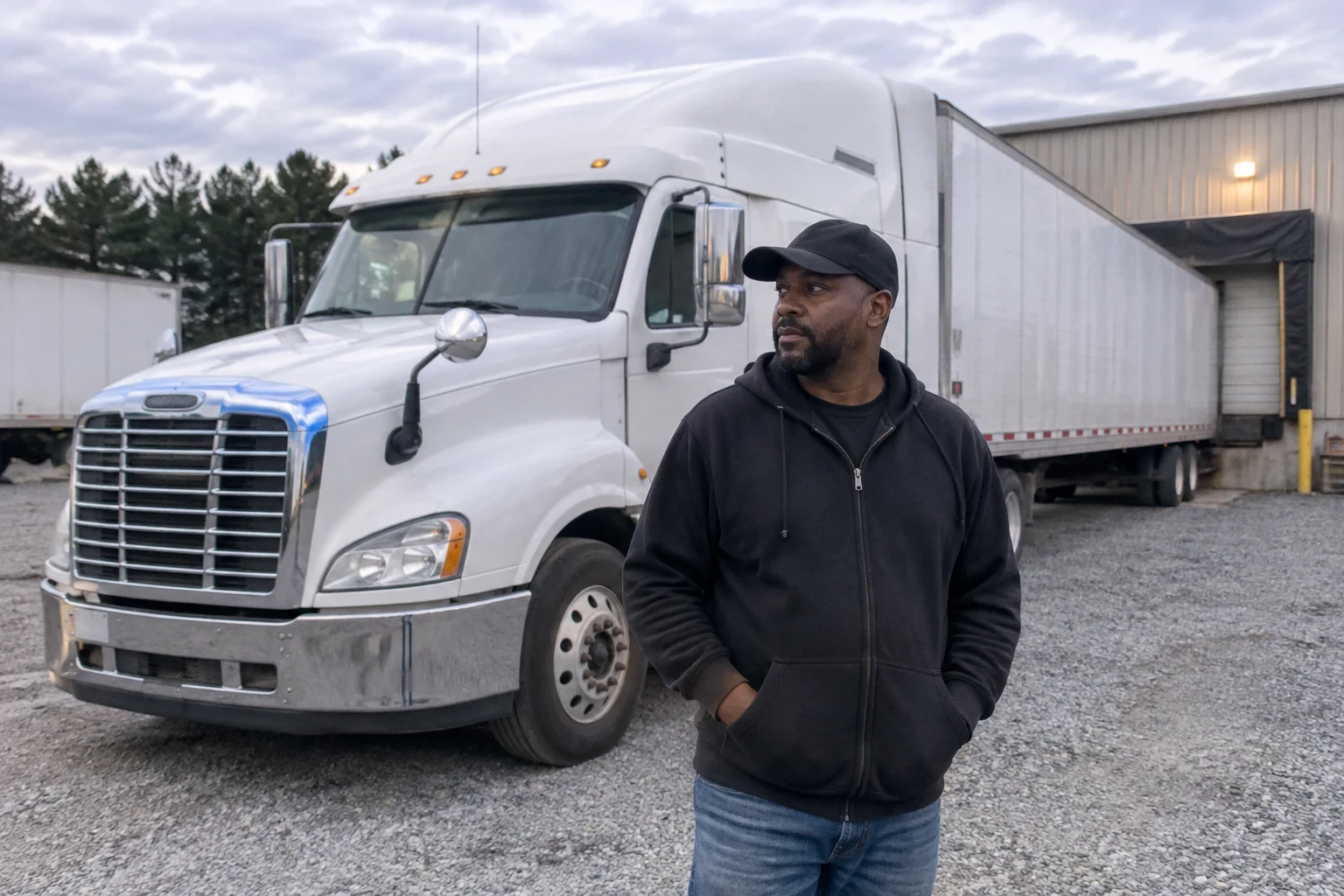
Get your box truck covered the right way
Tell us how you run and what your contracts ask for. We will explain the requirements plainly and compare coverage that meets them, for operators in Fairburn, Union City, Palmetto and nearby.