ServicesPrimary Auto Liability
Primary Auto Liability Insurance in Fairburn
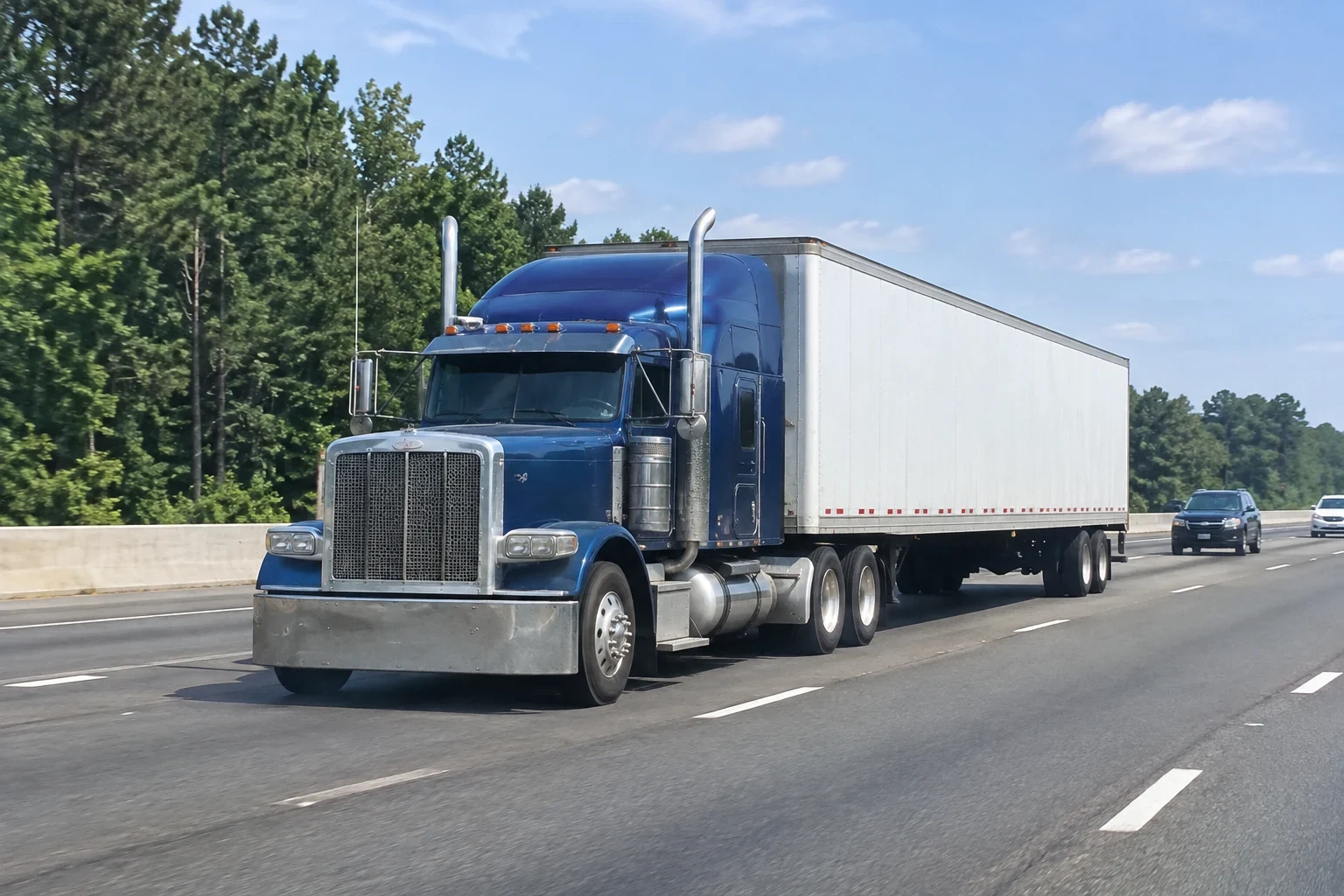
Primary auto liability pays for injuries and damage your truck causes to other people. It is also the coverage the government checks before your authority goes active. We place it at the limit your freight requires and handle the filings so you can start hauling.
The coverage your authority is built on
If you run under your own MC authority, primary auto liability is not optional. FMCSA will not activate your authority until an insurer files proof of coverage for you, usually on a form called the BMC-91X. Carriers that haul only inside Georgia have their own state filing requirements. If the filing is missing, wrong or cancelled, your authority can be shut off even when your trucks are in perfect shape.
The policy pays when your truck injures someone or damages their vehicle or property. It does not pay to fix your own truck or the load you are carrying. Those are separate coverages, physical damage and motor truck cargo. We explain where each one starts and stops so you know what you are paying for and what you are not.
Most of our callers from Fairburn, Union City and the rest of south Fulton just want to know the requirement and how to meet it. That part is our job. We tell you the minimum for your type of freight and what brokers and shippers will actually ask for. Then we get the right paperwork on file.
What we handle with your liability policy
Matching the limit to your freight
Federal minimums depend on what you haul and how heavy your truck is. General freight, oil and hazardous materials each have their own floor. We confirm yours and also check the contracts you are signing, because many brokers ask for more than the legal minimum.
Federal filings with FMCSA
We make sure the insurer submits the BMC-91X under your DOT number and MC authority. Then we watch for it to post on the public record. We do not consider the job done until the filing shows up there.
Georgia intrastate filings
If you haul for hire only inside Georgia, the state has its own proof-of-insurance requirements. We sort out which filing applies to your operation and get it submitted with your policy.
The MCS-90 endorsement
This endorsement is attached to interstate liability policies, and it is often misunderstood. We explain in plain terms what it means for you if a claim ever falls outside your policy.
Certificates of insurance
Brokers and shippers want a certificate of insurance before they release a load. Once your policy is active, we issue them with the correct named holders and limits.
Changes during the policy term
When you add a truck, a driver or a new lane, we update the policy so your coverage still matches how you run.
Signs it is time to set up or review your liability
- Your new authority is pending
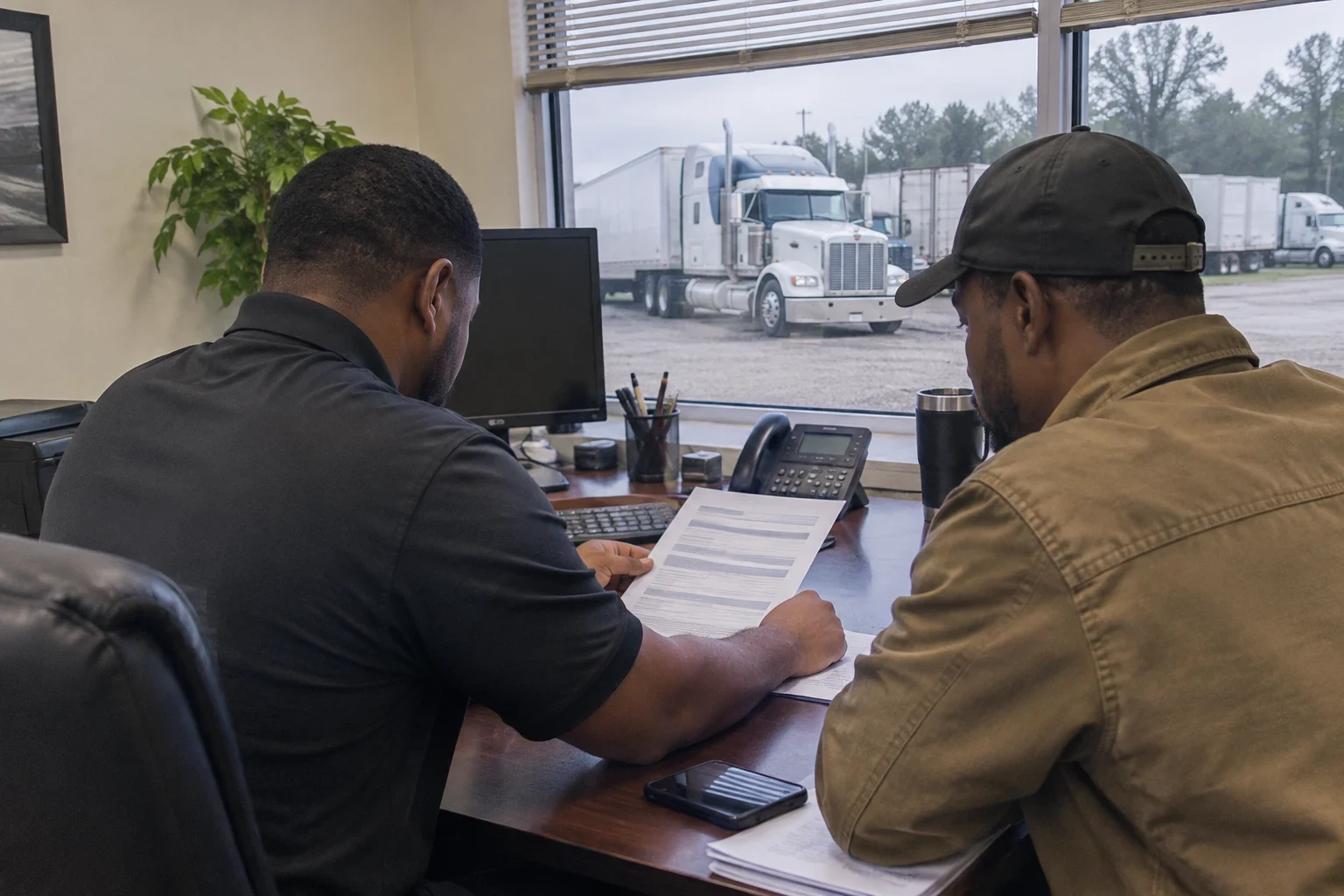
- Your MC number has been granted but sits inactive until insurance is on file. Every day without the filing is a day you cannot haul under your own name.
- You are leaving a lease
- Under a lease, the carrier's liability usually covers you while you are dispatched. Once you go out on your own, you need your own primary policy before your first load.
- A broker asked for a higher limit
- If a load board or contract requires more than you carry, that load is closed to you until you raise the limit. We can tell you what the change involves.
- You got a cancellation or nonrenewal notice
- When a liability policy cancels, the insurer notifies FMCSA, and your authority can be revoked if a replacement filing is not on record. Call us as soon as the notice arrives, not the week it takes effect.
- Your operation changed
- A new commodity, a longer radius or your first out-of-state run can all change the minimum you need. They can also change whether your current policy still fits.
How getting covered works
- 1
A phone conversation about your operation
We ask what you haul, where you run, how many trucks and drivers you have, and whether your authority is new or established. This tells us which filings and limits apply before we look at a single quote.
- 2
Gathering what insurers need
Usually that means your DOT and MC numbers, driver license details, the VINs on your trucks and loss runs from any prior coverage. We tell you exactly what to send so nothing gets held up.
- 3
Walking you through the quote
We go over the limit, the deductible if there is one, which trucks and drivers are listed and what is excluded. You will know what the premium buys before you agree to anything.
- 4
Binding and filing
Once you approve, we bind the policy and confirm that the federal or state filing is submitted. Then we check that it posts to your record. Certificates go out to the brokers and shippers you name.
What moves your liability premium
Liability is usually the largest part of a trucking insurance bill, and the price follows risk. Insurers look at how far you go and what you carry, then at who is driving. We show you which of these you can influence and which you can only wait out.
- Radius and lanes
- Local hauling within a short radius is generally priced differently from long-haul runs through heavy interstate traffic. Your typical routes matter more than the occasional long trip.
- What you haul
- Some freight carries higher legal minimums or more claim risk, and the premium reflects it.
- Driver records and experience
- Insurers review motor vehicle records and years behind the wheel of a commercial vehicle. A single new driver with violations can change the price for the whole policy.
- Time under authority and loss history
- New authorities usually pay more in the first year or two. A clean record of loss runs and inspections helps over time.
- The limit you choose
- Carrying more than the minimum costs more. Sometimes it opens up broker freight that pays for the difference, and we can talk through whether that is true for you.
Primary auto liability questions
- I am leased onto a carrier. Do I need my own primary liability?
- Usually not while you are under dispatch, because the motor carrier's policy covers that. You still need protection when you drive the truck for personal use, and that is what non-trucking liability (bobtail) insurance is for. Check your lease agreement, and we can read through the insurance section with you.
- How long until my filing shows up with FMCSA?
- After the policy is bound and the insurer submits the BMC-91X, it often posts within a few business days, though timing varies. We keep checking the public record and let you know when it appears. Your authority also has its own activation steps after that.
- Will this policy pay to repair my truck after a wreck?
- No. Primary liability pays for damage and injuries to others. Repairs to your own tractor or trailer fall under physical damage insurance, and the freight itself falls under motor truck cargo insurance.
- What is the difference between the federal minimum and what brokers want?
- The federal minimum is what you must carry to operate legally under your authority. Brokers and shippers set their own requirements in their contracts, and these are often higher. We look at both so you are legal and still able to book the loads you want.
- I only haul inside Georgia. Do the federal rules apply to me?
- It depends on what you haul and whether your freight is part of an interstate move. Georgia-only carriers still have state insurance and filing requirements. We sort out which rules cover your operation before quoting.
Let's get your authority on solid ground
Tell us about your trucks and your freight, and we will explain which limits and filings apply to you. You will hear what your quote includes before anything is bound.