ServicesPhysical Damage Insurance
Physical Damage Insurance in Fairburn, GA
Liability pays for the other driver. Physical damage coverage pays for your own truck and trailer after a wreck, fire, theft or storm. We help owner-operators and fleets set the right value and deductible, and we explain what your lender or lease actually requires.
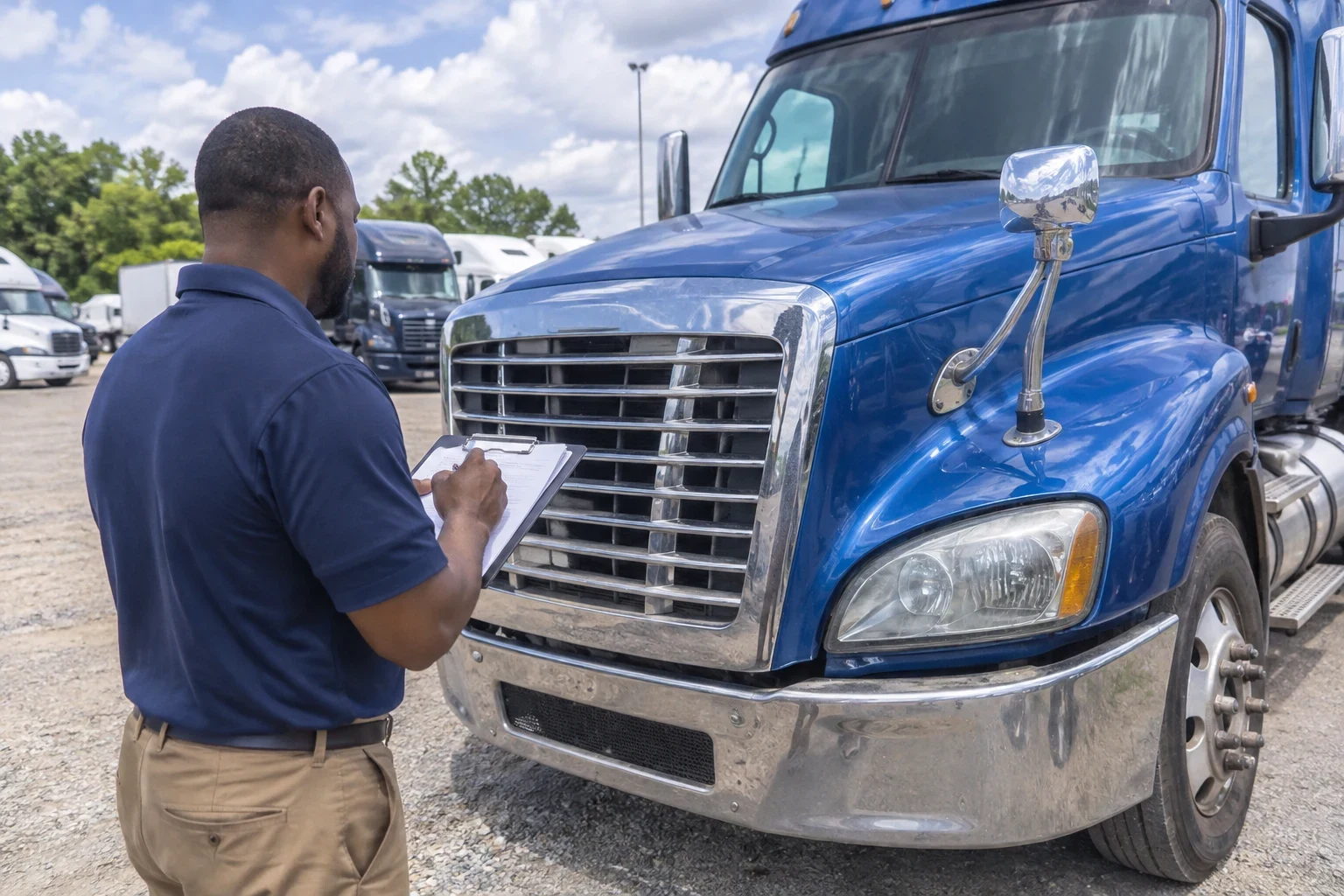
What physical damage coverage does for you
Your truck is probably the most expensive thing your business owns. Physical damage insurance protects that equipment. It usually comes in two parts: collision, which covers damage when the truck hits something or rolls over, and comprehensive, which covers losses like fire, theft, vandalism, hail, flooding and falling objects.
Here is the requirement most people get wrong. Your federal and state filings cover liability, not your own truck, so the DOT does not require physical damage coverage. Your lender or leasing company almost always does, and many motor carriers require it before you can lease on. We read those contract terms with you so you know exactly what you need to carry and why.
If your truck is paid off, the coverage becomes your choice. We will tell you honestly whether it makes sense for an older tractor or whether the premium is better kept in the bank.
What a physical damage policy can include
- Collision coverage
- Pays to repair or replace your truck after an accident, whoever caused it. You pay the deductible, and the policy covers the rest up to the value listed on your policy.
- Comprehensive coverage
- Covers losses that are not a crash: theft, fire, vandalism, hail, wind, flood and animal strikes. A truck parked at a yard overnight is exposed to most of these.
- Stated value set correctly
- Most truck policies cover a stated value you choose. We help you set a figure close to what the truck would really cost to replace, so you are not paying for value you would never collect or left short after a total loss.
- Trailers and attached equipment
- Owned trailers can be scheduled on the same policy with their own values. Permanently attached equipment like reefer units, dump bodies or liftgates should be listed so they are not left out of a claim.
- Loss payee for your lender
- We add your lienholder to the policy and get them the proof of coverage they ask for. That keeps your finance company from placing its own costly coverage on the truck.
- Optional add-ons
- Depending on the carrier, coverages like towing, rental reimbursement or downtime help may be available. We explain what each one pays and let you decide.
Signs it is time to look at physical damage coverage
You are financing a truck
Lenders require collision and comprehensive with them named as loss payee. Coverage usually has to be in place before you drive off the lot.
You are leasing onto a carrier
Many lease agreements require owner-operators to carry their own physical damage. We read the lease language with you so you match what is written.
Your lender sent a coverage notice
A letter saying they will add insurance to your loan means they lack proof of coverage. That forced coverage often costs more and protects only the lender.
Your truck's value has changed
An old stated value can leave you underinsured after upgrades or overpaying on an aging truck. A quick review fixes it.
You added a trailer or equipment
New trailers and expensive add-ons are not covered until they are listed on the policy.
How we set up your coverage
- 1
A conversation by phone or video
We ask about your truck, how you run it and what your lender or lease requires. You can also sit down with us at our office.
- 2
Gather the details
We collect VINs, year, make and model, purchase price, lienholder information and your driving history. Have your finance or lease paperwork handy if you can.
- 3
Compare and explain options
We show you how different stated values and deductibles change your premium, in plain language. You see what each option pays out in a real loss before you choose.
- 4
Bind and send proof
Once you decide, we bind coverage and send the certificate of insurance or evidence of coverage to your lender or motor carrier, so you can get rolling.
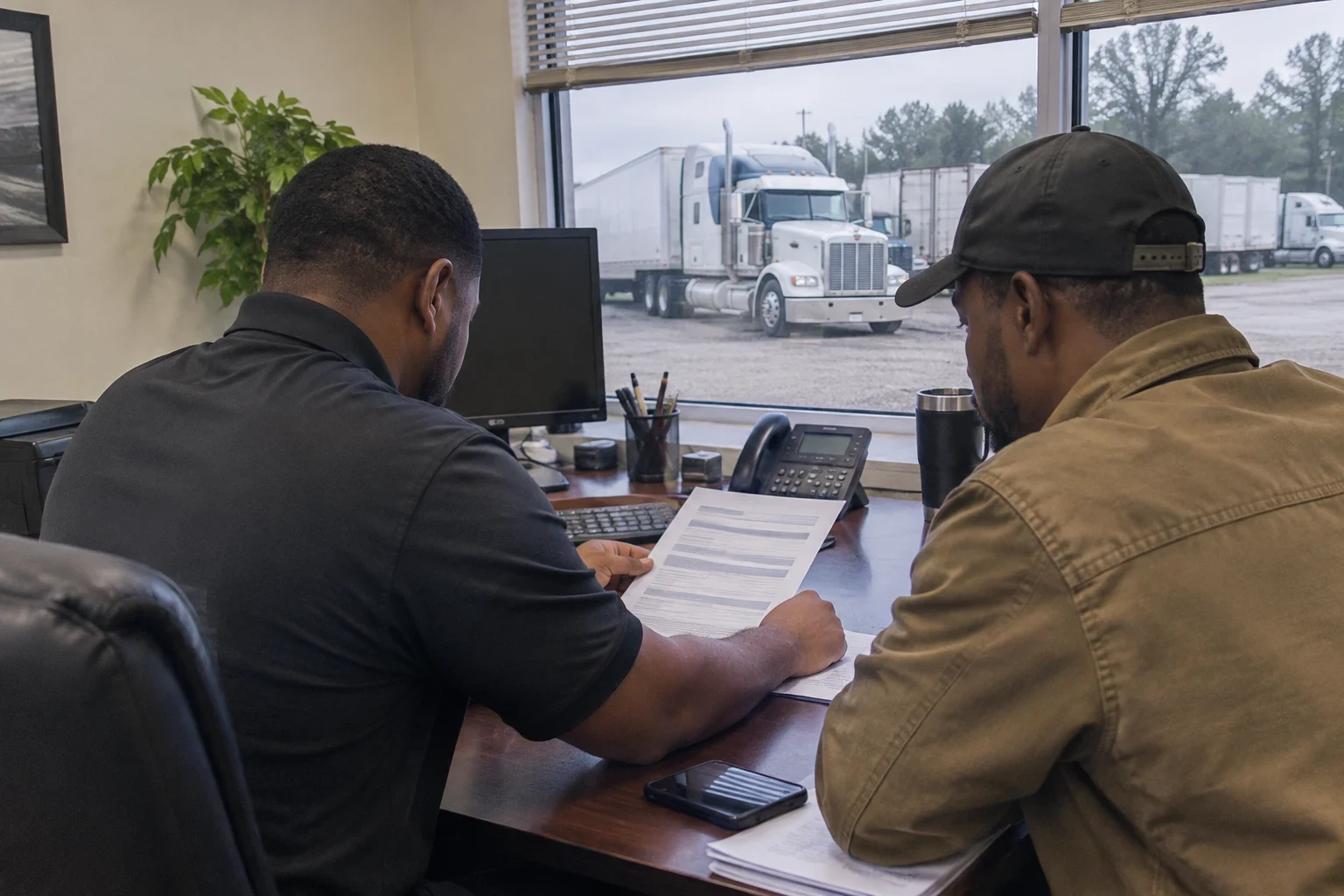
What moves the price of physical damage coverage
Physical damage premiums are driven mostly by what the truck is worth and how likely a claim is. We walk through each factor on your quote so nothing comes as a surprise.
- Stated value
- A higher value means a higher premium, because the insurer could owe more after a total loss. Setting it realistically is the easiest way to keep the cost fair.
- Deductible
- A larger deductible lowers your premium, but you pay more out of pocket per claim. Your lender may cap how high it can go.
- Truck type and age
- Newer tractors, dump trucks and specialized units cost more to repair. Theft-prone models can also carry higher rates.
- Driver experience and record
- Years of commercial driving and a clean record weigh heavily. New drivers and recent accidents raise the premium.
- Where the truck is parked
- A fenced, lit yard reduces theft and vandalism risk compared with roadside or unsecured parking. Storm exposure, like spring hail around Fairburn, also plays into comprehensive rates.
Physical damage insurance questions
Something not covered here? (770) 766-5839
Is physical damage insurance required by law?
No. Federal and Georgia filings require liability coverage, not coverage for your own truck. Lenders, leasing companies and many motor carriers do require it in their contracts, so in practice most financed or leased trucks need it.
What is the difference between stated value and actual cash value?
Stated value is the amount you list for the truck when you buy the policy. After a total loss, the insurer typically pays the lesser of that stated value or the truck's actual cash value at the time. That is why overstating value only raises your premium without raising your payout.
Does physical damage cover my trailer?
Only if the trailer is listed on your policy. Trailers you own can be scheduled with their own values. Trailers you pull under an interchange agreement need trailer interchange insurance instead, which we can explain on our Trailer Interchange Insurance page.
Will it cover the cargo inside?
No. Physical damage covers the truck and trailer themselves. Freight you haul is protected by motor truck cargo insurance, a separate coverage.
Can I drop coverage once my truck is paid off?
You can. Whether you should depends on the truck's value and whether you could afford to replace it out of pocket. We will give you a straight answer for your situation.
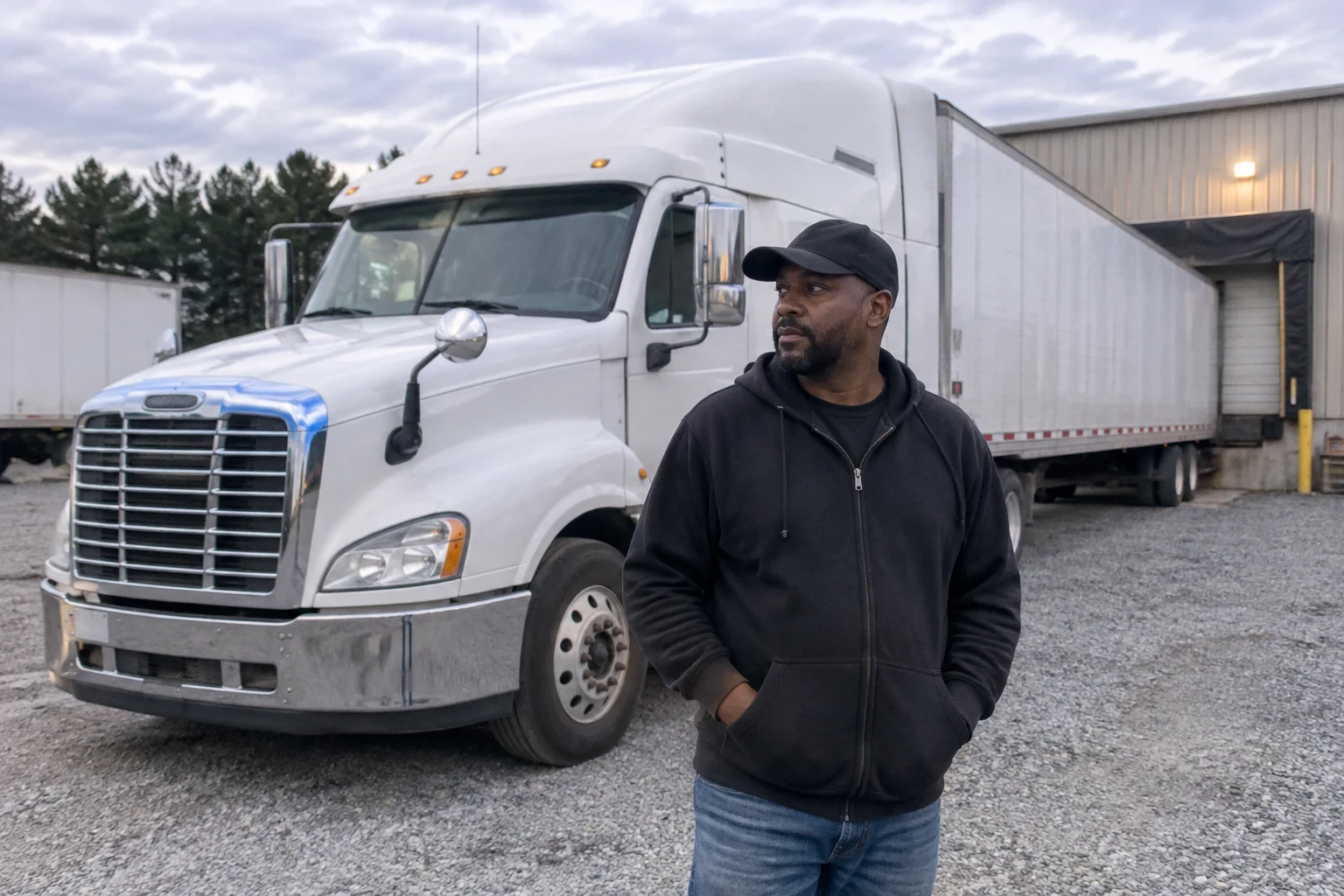
Let's protect the truck that earns your living
Tell us about your truck, your lender and how you run. We will explain your options plainly and put together a quote that fits.