ServicesOwner-Operator Insurance
Owner-Operator Truck Insurance in Fairburn
You run one truck and wear every hat. We sort out which coverage you actually need, leased on or under your own authority, and make sure your filings and certificates match what the regulators and your shippers expect.
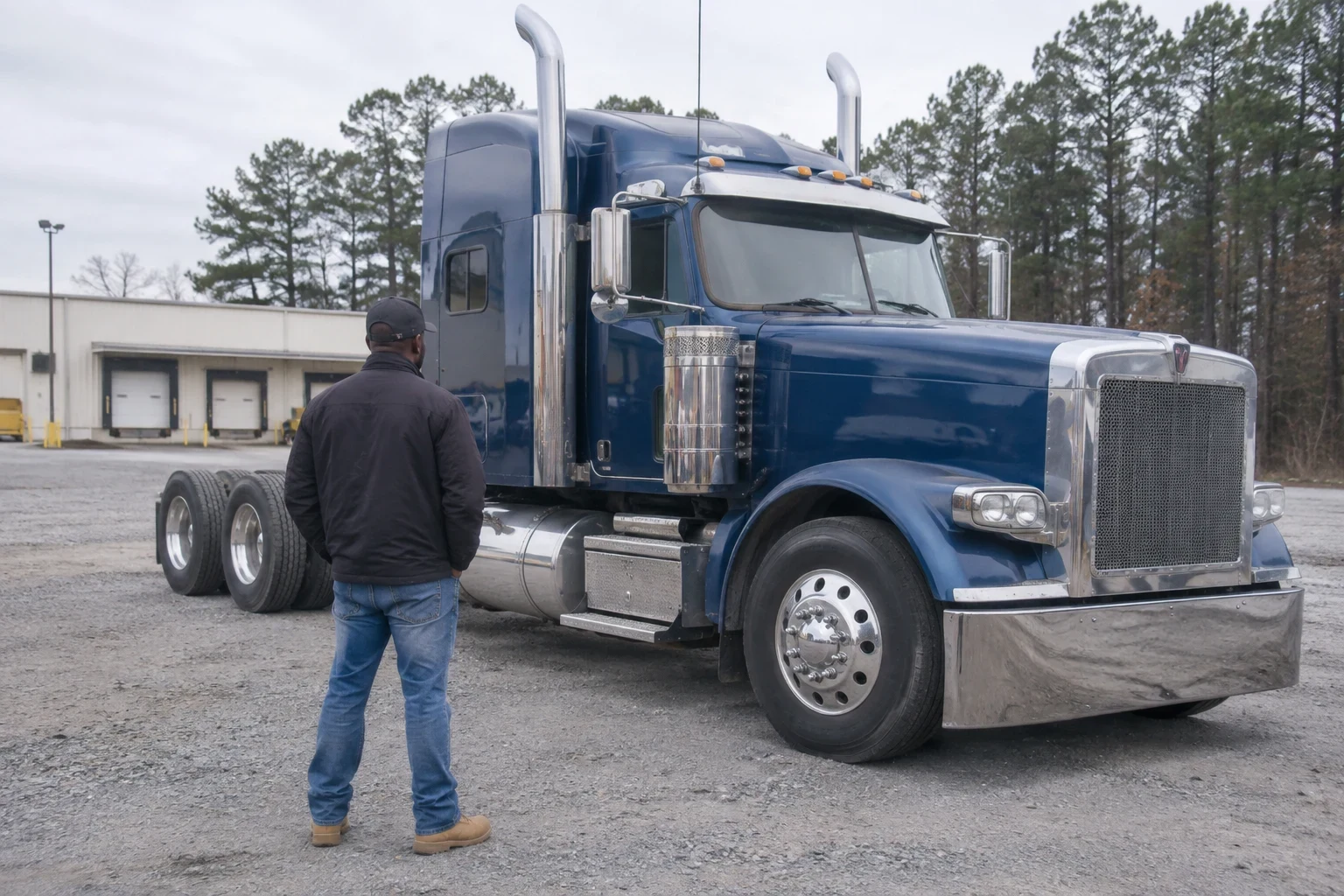
Coverage that follows how you run
Owner-operator insurance is not one policy. It is a set of coverages that changes depending on one question: are you leased to a motor carrier, or hauling under your own MC authority and DOT number? Get that wrong and you can end up paying twice for liability, or worse, running with a gap nobody noticed until a claim.
If you are leased on, the carrier usually provides primary liability while you are under dispatch. You still need protection for your own truck and for the miles you drive off dispatch. If you run your own authority, the primary liability, the federal filing and the cargo coverage are all on you.
We explain the rules in plain terms, show you which requirement each piece of coverage satisfies, and put it in writing before you sign anything.
What an owner-operator policy can include
Primary auto liability
Required when you run under your own authority. It pays for injuries and damage you cause to others. We handle the federal filing so your authority stays active. See our Primary Auto Liability Insurance page for the details.
Non-trucking liability (bobtail)
For leased owner-operators, this covers you when you are driving off dispatch, like heading to the shop or home after a load. Many carrier leases require it, and we check yours to confirm.
Physical damage
Covers your tractor and, if you own one, your trailer for collision, theft, fire and weather. Your lender will likely require it if the truck is financed.
Motor truck cargo
Protects the freight you haul. Shippers and brokers often ask for specific limits, and some exclude certain commodities, so we compare your lanes against the policy wording.
Trailer interchange
If you pull trailers you don't own under an interchange agreement, this covers damage to that trailer while it's in your care.
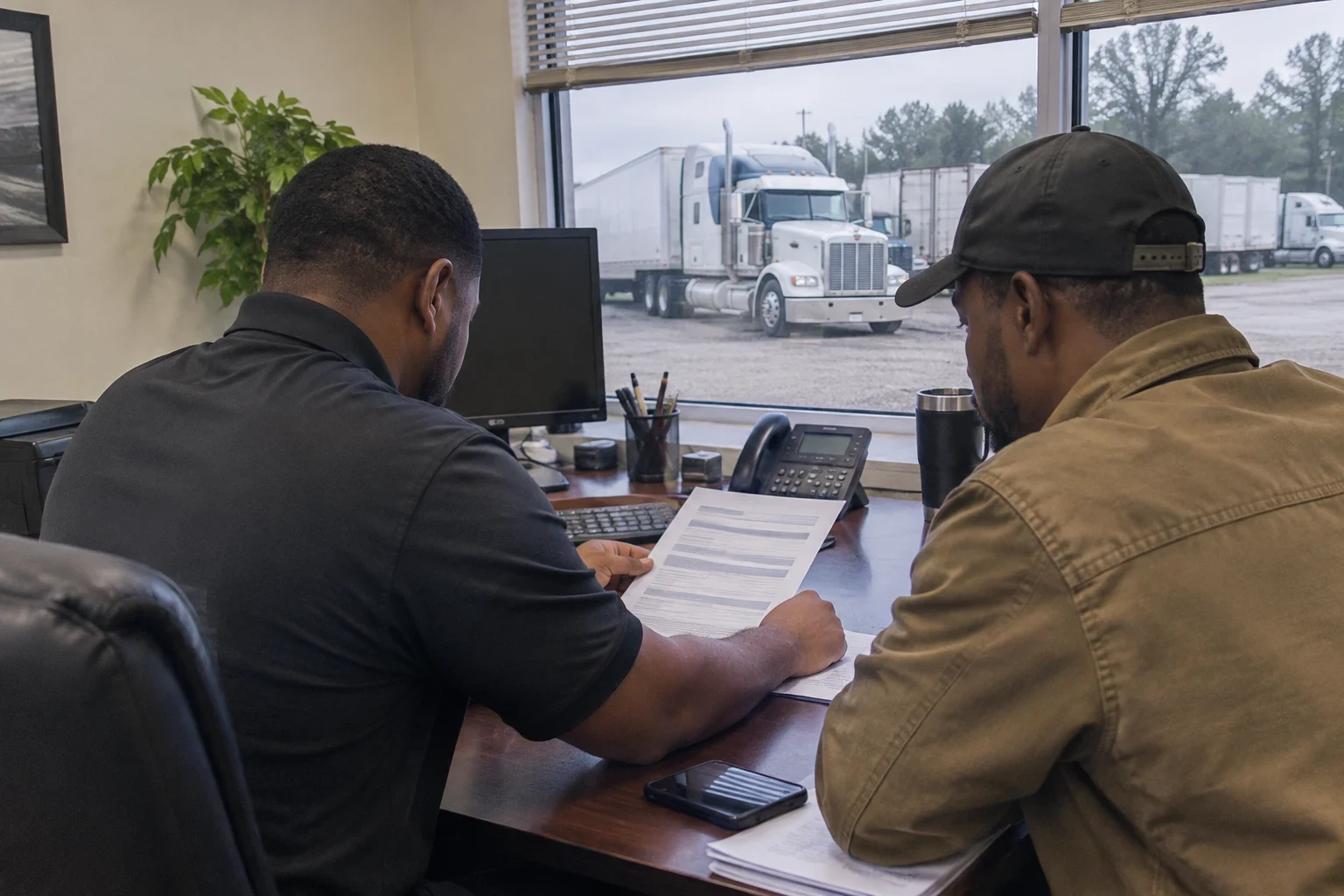
Signs your coverage needs a closer look
- You're switching from leased to your own authority
- Your carrier's liability stops covering you the day you go independent. Your new authority won't activate without a liability filing on record.
- A broker rejected your certificate
- Low cargo limits, a missing endorsement naming the broker or the wrong business name can stall loads. We fix the certificate of insurance and explain what the broker wanted.
- Your lease agreement changed
- New carriers write different insurance requirements into their leases. A quick review can show whether your bobtail or physical damage still lines up.
- You added a trailer or changed freight
- Moving from dry van to reefer or flatbed changes cargo risk. Your policy may need new limits or endorsements.
- Your premium jumped at renewal
- Sometimes it's the market, sometimes it's a rating detail that can be corrected. We go through the numbers with you line by line.
How we work through it with you
- 1
Talk through your operation
By phone, video or at our office, we ask how you run: leased or independent, the freight you haul, your radius and your driving record. This takes the guesswork out of the quote.
- 2
Check the requirements
We look at your lease, your broker agreements and any federal or Georgia filing requirements tied to your DOT number. You'll know which coverage is mandatory and which is optional.
- 3
Review quotes in writing
We lay out each coverage, limit and deductible so you can compare options side by side. Nothing gets bundled in without an explanation.
- 4
Bind, file and issue certificates
Once you choose, we bind coverage, get the required filings on record with the regulators and send certificates of insurance to your carrier, broker or lender.
What moves your premium
Owner-operator premiums depend on the details of your truck and your work, so we can't quote a number until we know them. Here are the factors underwriters weigh most, and we'll show you how each one affects your quote.
- Leased on or own authority
- Running your own authority means carrying primary liability, which is usually the largest part of the premium. Leased owner-operators often pay far less because the carrier covers that piece.
- Driving record and experience
- Years with a CDL, violations and past claims all count. A clean record with steady experience helps a lot.
- Truck value and age
- Physical damage is priced on what your tractor and trailer are worth. Higher deductibles lower the premium but raise what you pay after a loss.
- Freight and radius
- High-value or hazardous loads and long-haul routes carry more risk than local work. Running regional out of the Fairburn area along the I-85 corridor rates differently than coast-to-coast.
Owner-operator insurance questions
- If I'm leased to a carrier, do I need my own insurance?
- Usually yes. The carrier's liability covers you under dispatch, but not your truck itself and often not your off-dispatch miles. Most leases require you to carry physical damage and non-trucking liability. We read your lease to confirm exactly what it asks for.
- What filing do I need to activate my own MC authority?
- FMCSA needs proof of liability coverage filed by your insurance company before your authority goes active. Depending on your freight, proof of cargo coverage may also be required. We get the filing on record once your policy is bound and let you know when it has posted.
- Is bobtail the same as non-trucking liability?
- People use the terms loosely, but they aren't always the same. Bobtail coverage can apply only when no trailer is attached, while non-trucking liability covers you when you're not under dispatch, trailer or not. We check which one your lease actually requires.
- Can I keep my policy if I switch carriers?
- Your physical damage coverage generally stays with you. Non-trucking liability may need updates if the new carrier lists different requirements. Tell us before you sign the new lease and we'll line things up.
- How fast can you send a certificate of insurance?
- Once coverage is active, we issue certificates as requests come in. Give us the holder's exact legal name and any party they want named on the certificate so it's right the first time.
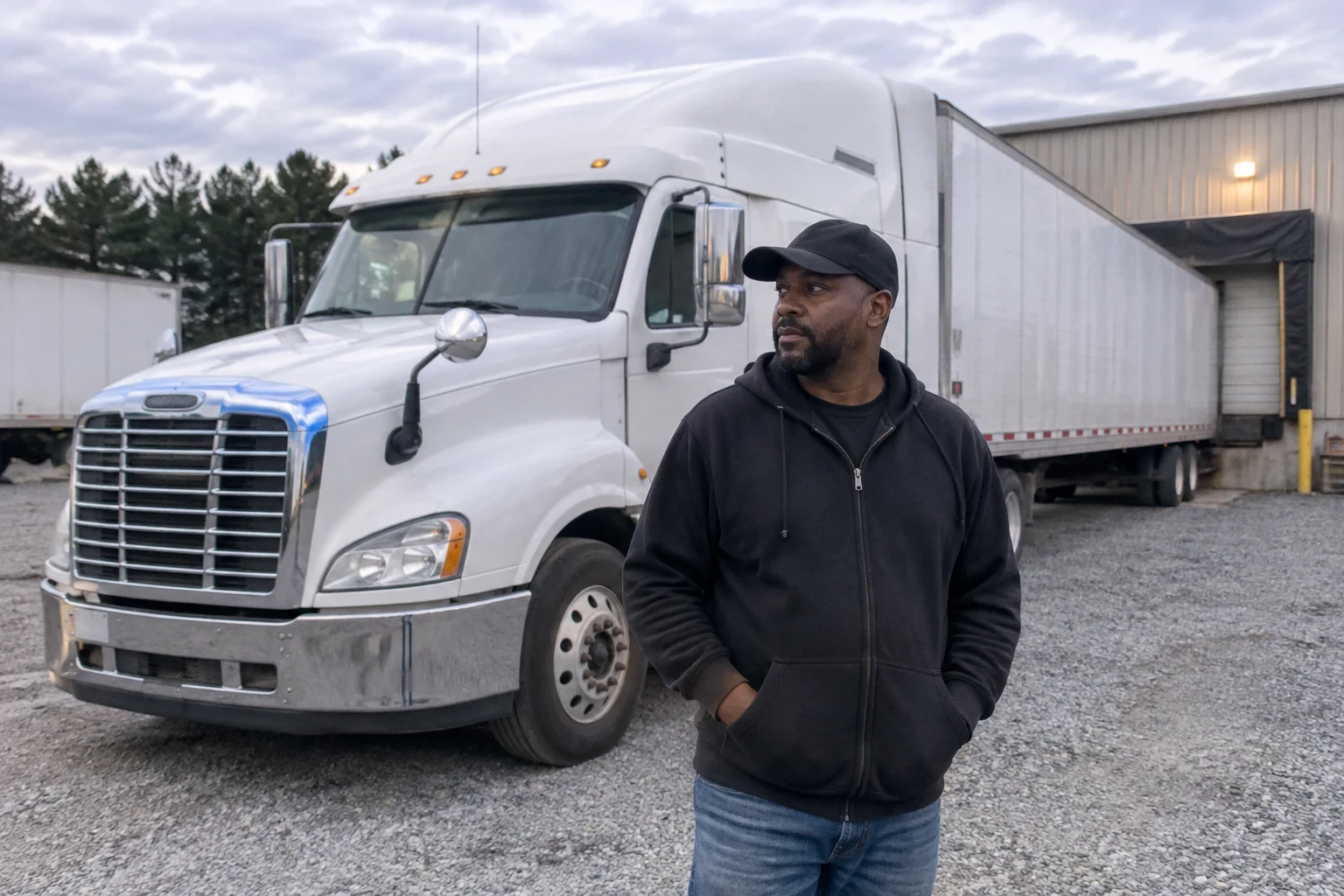
Get your coverage matched to your lease or authority
Tell us how you run your truck and we'll walk you through what's required, what's optional and how each piece is priced. We serve owner-operators across Fairburn, Union City, Palmetto and nearby.